Colombia Huila High-Altitude Terroir
The Huila department, carved by the Magdalena River between the Central and Eastern cordilleras of the Colombian Andes, is celebrated for producing some of the world's highest-scoring micro-lots. The combination of active volcanic soil and micro-climatic canyon winds creates an extraordinary terroir for exotic varietals like Pink Bourbon and Geisha.
Sensory Cupping Profile
White peach, orange blossom, honeysuckle, papaya, crisp malic green apple, raw panela cane sugar
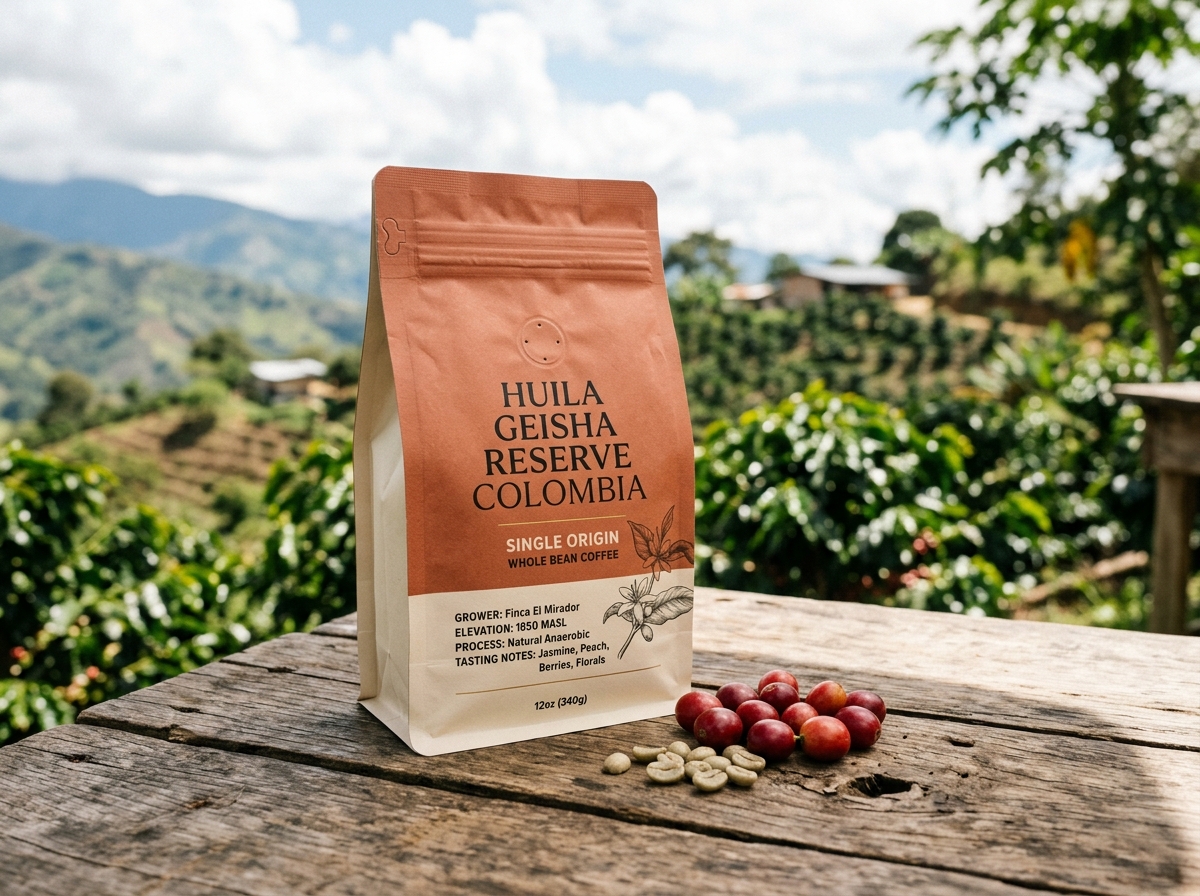
Geographical & Climate Matrix
Indigenous Varietals & Genetics
Cultivars native to and thriving in the microclimates of Colombia Huila High-Altitude Terroir:
Photosynthesis & Sugar Maturation
Nevado del Huila's volcanic eruptions over millennia deposited deep layers of phosphorus-rich volcanic ash. Combined with steep slope drainage and altitude exceeding 1,900 meters, coffee trees synthesize high concentrations of sucrose and malic acids that yield vibrant tropical stone fruit aromatics.
Harvest Cycle
Main Crop: September – December; Mitaca (Fly Crop): April – June
Primary Processing Methods
96-Hour Anaerobic Fermentation in sealed bioreactors; Double-fermentation washed micro-lots
Partner Roasters Sourcing From Colombia Huila High-Altitude Terroir
Experience authentic single-origin micro-lots roasted by master artisans at local cafe counter prices with 0% markup.
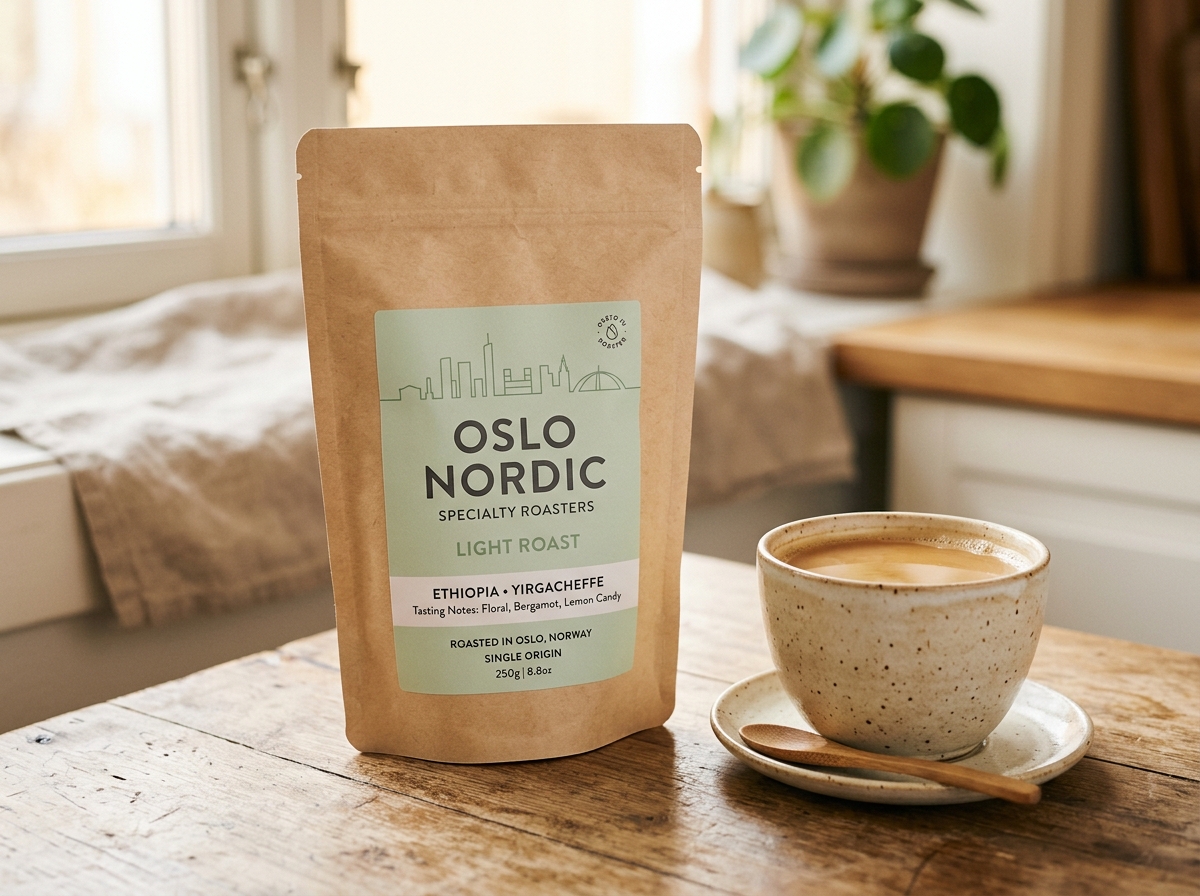 World Barista Champion
Tim & Wendelboe Atelier
Pioneers of the Scandinavian light-roast movement. Delicate tea-like florals and sparkling clarity roasted wit...
Cup of Excellence 91.5 pts
Finca El Mirador Micro-Lot
Direct relationship micro-lot from 4th-generation producers in Huila. Exuberant tropical aromatics with a silk...
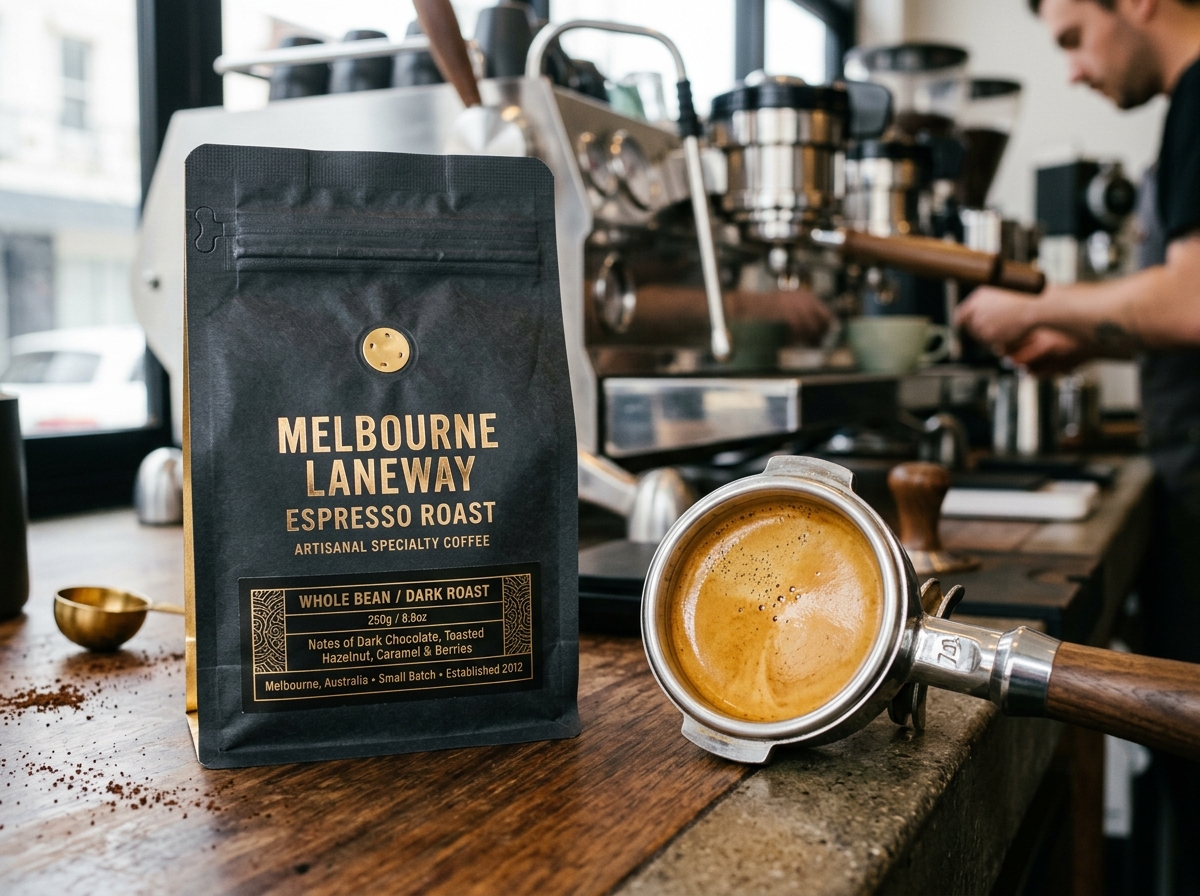 Melbourne Cafe Standard
St. Ali & Proud Mary Syndicate
The benchmark of Australian espresso culture. Rich crema, dense syrupy mouthfeel, and bold chocolate richness ...