The Science of Coffee Degassing: Why Ultra-Light Roasts Need 2–4 Weeks of Resting
Understanding carbon dioxide diffusion kinetics, cellular pore density, and why fresh-off-the-roaster Nordic and Japanese roasts under-extract.
Executive Summary & Key Takeaways
- During roasting pyrolysis, 1kg of roasted coffee generates up to 5–10 liters of trapped CO2 within the bean cellular matrix.
- Dark roasts fracture cellular pore walls, off-gassing rapidly in 3–7 days; ultra-light roasts preserve high cellular density, releasing gas gradually over 14–28 days.
- Peak flavor expression for Scandinavian and Japanese ultra-light roasts occurs between days 21 and 30 post-roast.
- Store beans in airtight one-way degassing valve bags away from sunlight; freeze in sealed single-dose tubes once peak resting is achieved.
In mainstream commercial coffee culture, the prevailing dogma claims that coffee is best brewed within 48 hours of roasting. In ultra-light Nordic and Japanese specialty roasting, however, brewing freshly roasted coffee results in sharp carbonic acid bitterness, violent channeling, and severely suppressed sweetness. Understanding the physical chemistry of CO2 degassing is the key to unlocking extraordinary floral aromatics and silky mouthfeel.
⏱️ Roaster Degassing & Resting Window Matrix
| Roast Style & Profile | Resting Window | Degassing Pace | Peak Sensory Aromas | Dialing Protocol |
|---|---|---|---|---|
| Ultra-Light Nordic (e.g. Tim Wendelboe) | 21–30 days (3–4 weeks) | Very Slow (Dense Intact Cell Matrix) | Bergamot, Jasmine, White Peach, Sparkling Malic Sweetness | Fine grind, 96°C–98°C water, gentle pour agitation |
| Light Filter / Japanese Kissa (e.g. Fuglen Tokyo) | 14–28 days (2–4 weeks) | Slow (High Elasticity) | Yuzu, Meyer Lemon, Silky Oolong Tea, Brown Sugar | Medium-fine grind, 95°C–97°C water, 45s bloom |
| Light Anaerobic Fermentation (e.g. Finca El Mirador) | 14–21 days (2–3 weeks) | Moderate-Slow (Dense Fruit Sugars) | Orange Blossom, Ripe Papaya, Champagne Body | Medium grind, 93°C–95°C water to prevent astringency |
| Medium-Light Natural (e.g. Aleta Wondo Sidama) | 10–14 days (1.5–2 weeks) | Moderate (Sun-Dried Mucilage) | Wild Blueberry, Lavender, Dark Honey, Cacao Nib | Medium grind, 92°C–94°C water, extended bloom |
| Medium Balanced (e.g. El Cafetal Tarrazú) | 10–14 days (1.5–2 weeks) | Moderate (Honey Processed) | Golden Caramel, Ripe Apricot, Almond Butter | 1:16.5 ratio, 93°C–95°C water |
| Medium-Dark / Competition Espresso (e.g. Melbourne Laneway) | 7–10 days (1–1.5 weeks) | Fast (Expanded Porous Matrix) | Dark Chocolate Truffle, Hazelnut Crema, Black Cherry | 90°C–92°C water, 1:2 ratio, 5s pre-infusion |
| Commercial Dark Roast | 3–7 days (<1 week) | Rapid (Extensively Fractured Pores) | Roasty Smoke, Dark Cocoa, Heavy Body | Coarse grind, 88°C–90°C water to limit over-extraction |
1. The Physics of Pyrolysis and Carbon Dioxide Entrapment
When specialty green coffee is roasted, the thermal degradation of polysaccharides, sucrose, and chlorogenic acids (pyrolysis) generates between 5 and 10 liters of carbon dioxide (CO2) gas per kilogram of coffee. In commercial darker roasting, internal pressure causes cell walls to fracture and burst, creating wide porous channels through which CO2 escapes rapidly within 72 to 96 hours.
In contrast, Scandinavian and Japanese ultra-light roasting applies delicate conductive and convective energy curves that preserve the intact cellulose micro-tubes of the high-altitude Arabica bean. This dense, uncompromised structural matrix traps the carbon dioxide tightly. Over the first two weeks post-roast, the internal partial pressure remains extraordinarily high, causing steady, slow off-gassing through microscopic natural pores.
2. The Extraction Chemistry of Fresh vs. Rested Coffee
When water contacts un-rested, freshly roasted coffee grounds during pour-over or immersion brewing, two chemical reactions occur that degrade cup quality:
- Micro-Channeling & Dry Pockets: Rapid CO2 effervescence violently repels incoming brew water, creating micro-fissures in the coffee bed. Water flows along these paths of least resistance, leaving substantial portions of the coffee bed under-extracted while over-extracting the channeled margins.
- Carbonic Acid Interference: Dissolved CO2 reacts with water to form carbonic acid (H2CO3), introducing a sharp, astringent, metallic sourness that masks delicate floral monoterpenes, citric brightness, and enzymatic sweetness.
After 2 to 4 weeks (14 to 28 days) of resting, internal gas pressure reaches dynamic equilibrium. When hot water is applied, the coffee bed hydrates evenly, enabling a controlled 19% to 22% extraction yield that reveals jasmine, peach, and bergamot aromatics in absolute clarity.
3. Optimum Storage and Long-Term Preservation
To maximize the benefits of resting, adhere to three core preservation protocols:
- One-Way Degassing Valve Bags: Keep beans in their original sealed foil bags equipped with a functional one-way valve. The valve allows expanding CO2 to escape while preventing oxygen (O2) and ambient humidity from entering.
- Room Temperature Maturation: Store bags at a stable 18°C–22°C (64°F–72°F) away from direct sunlight and heat sources during the 14–28 day resting phase.
- Sub-Zero Freezing at Peak Window: Once beans reach their peak resting window (day 21–28 for ultra-lights), transfer them into sealed, airtight single-dose centrifuge tubes or vacuum-sealed bags and store them at -18°C (0°F). Freezing arrests volatile lipid oxidation and locks in flavor profile for up to 12 months without further degradation. Grind immediately directly from the freezer.
Experience the True Flavor of Authentic Artisan Roasting
Taste single-origin coffees roasted by master artisans at local cafe counter prices. Direct air logistics ensure your coffee arrives fresh, entering its peak flavor window right as you open the bag.
Recommended Partner Roasters
Experience peak extraction science with lots sourced and roasted by our partner artisans.
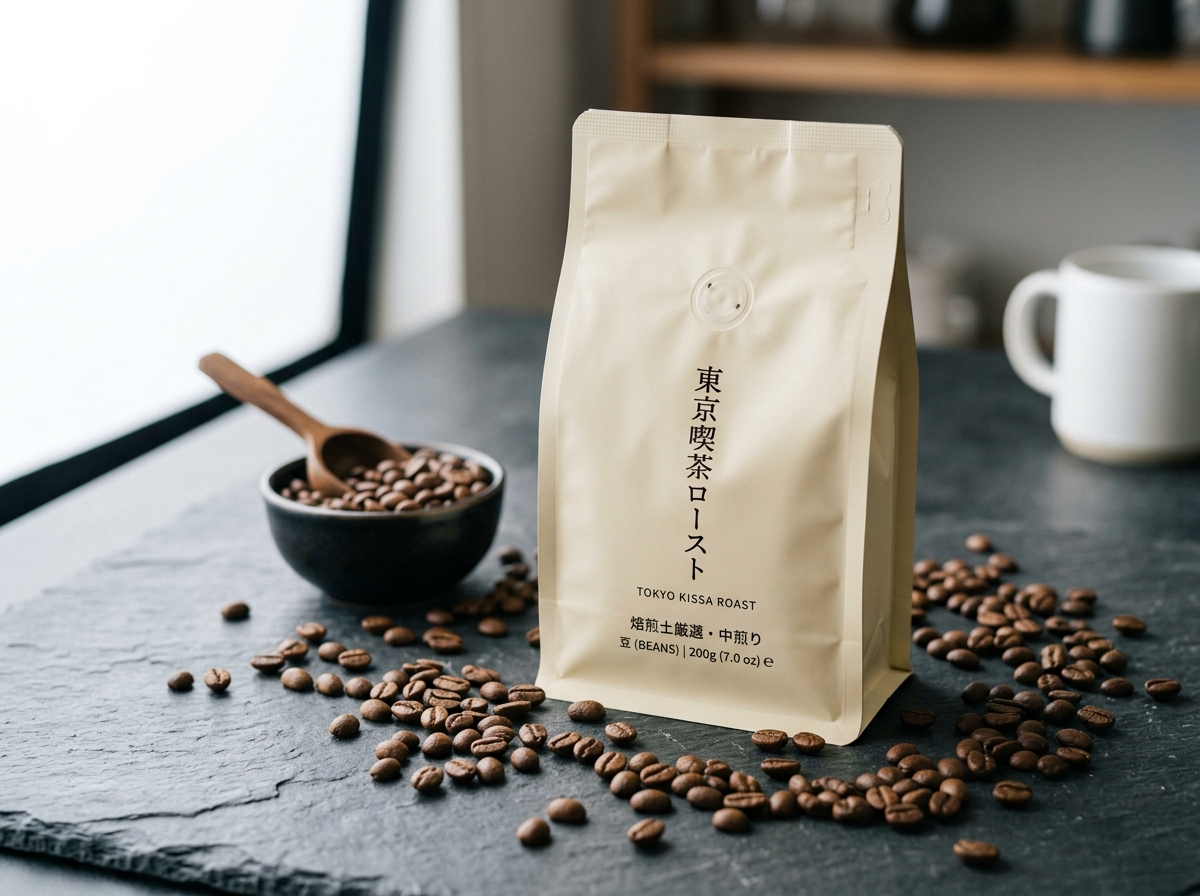 Tokyo Craft Legend
Kissa Fuglen Roastery
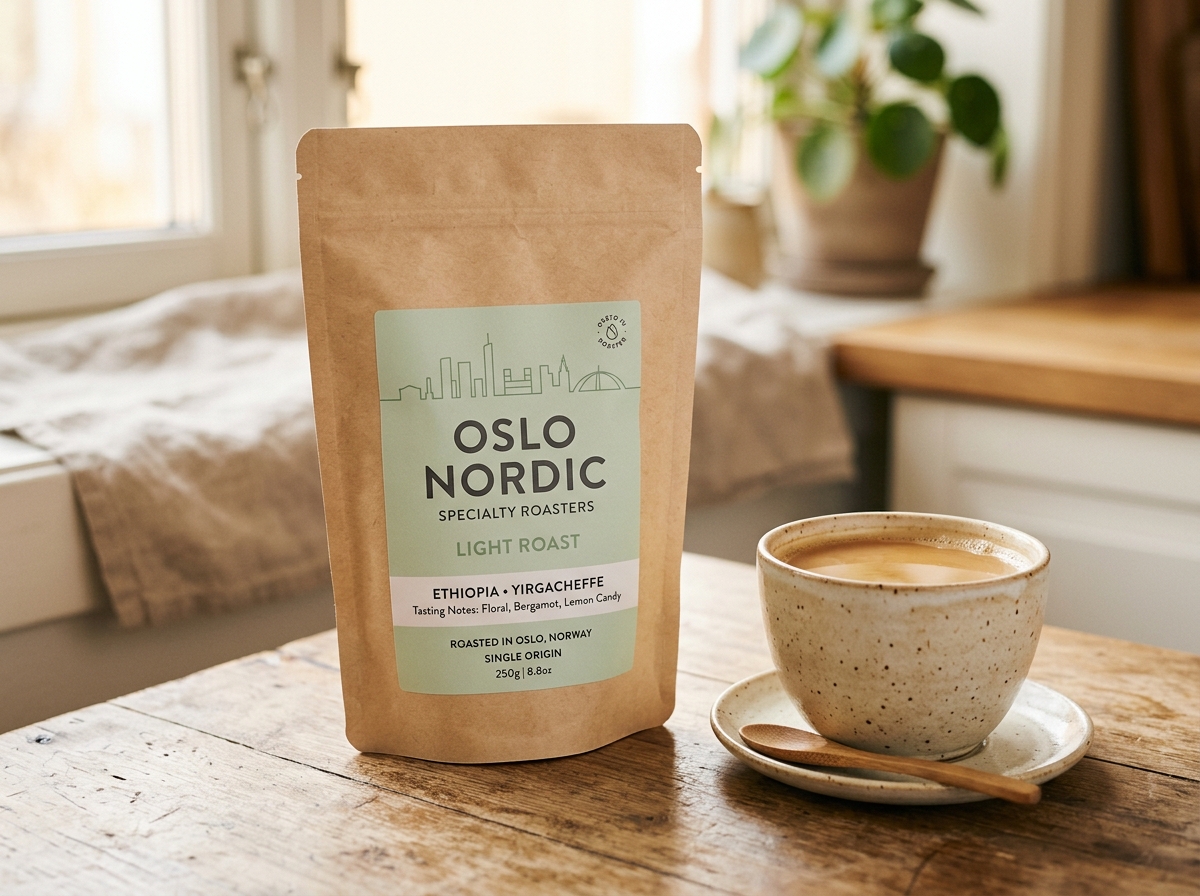 World Barista Champion